Many stroke survivors report difficulty with their vision following their stroke, often describing it as trouble seeing from one eye. While some conditions can create this sensation, vision problems after stroke typically stem from damage to the brain regions that...
Five Reasons to Consider Online Visual Field Screening
Vision changes after stroke or brain injury sometimes develop gradually, making them easy to overlook during initial recovery when other symptoms demand immediate attention. Visual field deficits can affect daily activities, rehabilitation progress, and quality of...
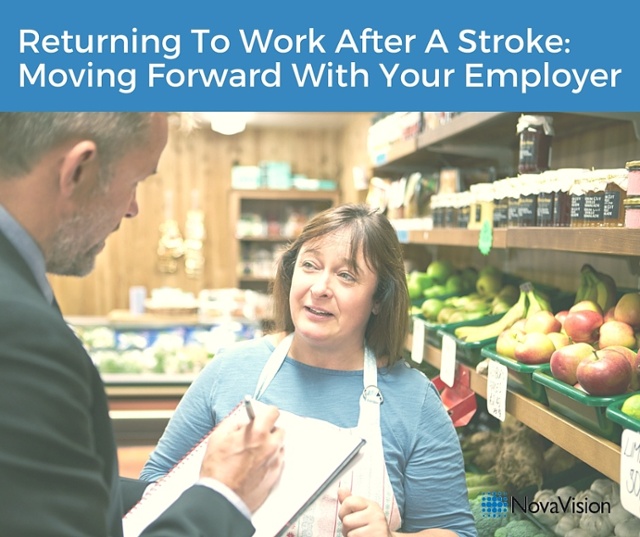
Returning to Work After a Stroke: Moving Forward With Your Employer
Nearly one-third of stroke survivors are under age 65 and still working when their stroke occurs. For these individuals, returning to the workplace becomes part of their recovery journey, layered on top of the physical and cognitive challenges they already face. Many...
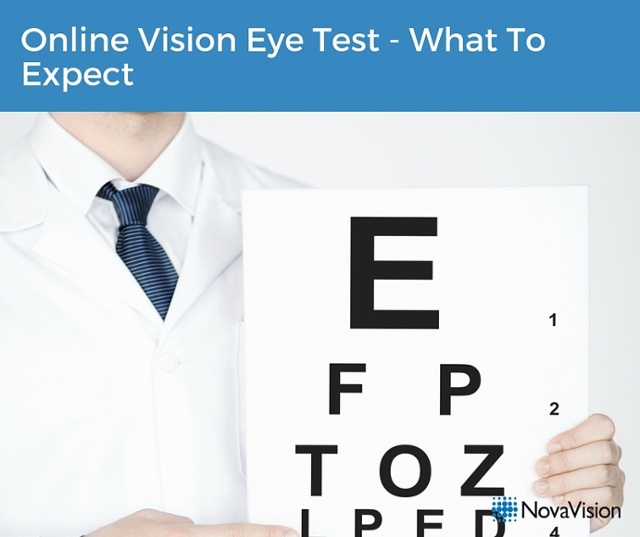
Taking an Online Visual Field Screening Test: What to Expect
After a stroke or brain injury, some vision changes develop gradually and may go unnoticed during recovery. Visual field deficits can affect daily activities in subtle ways, from difficulty navigating crowded spaces to challenges with reading or driving. Comprehensive...
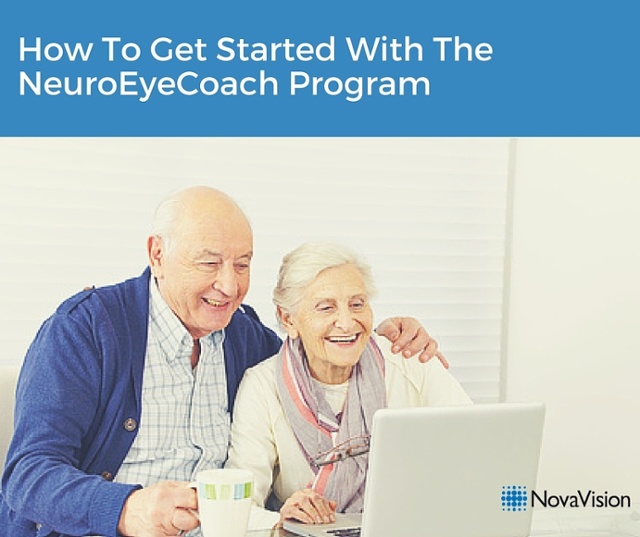
Getting Started With NeuroEyeCoach
Most people take effective eye movements for granted. The ability to quickly scan a grocery store shelf, locate your keys on a cluttered counter, or navigate a crowded sidewalk relies on coordinated visual scanning patterns. After a stroke or traumatic brain injury,...
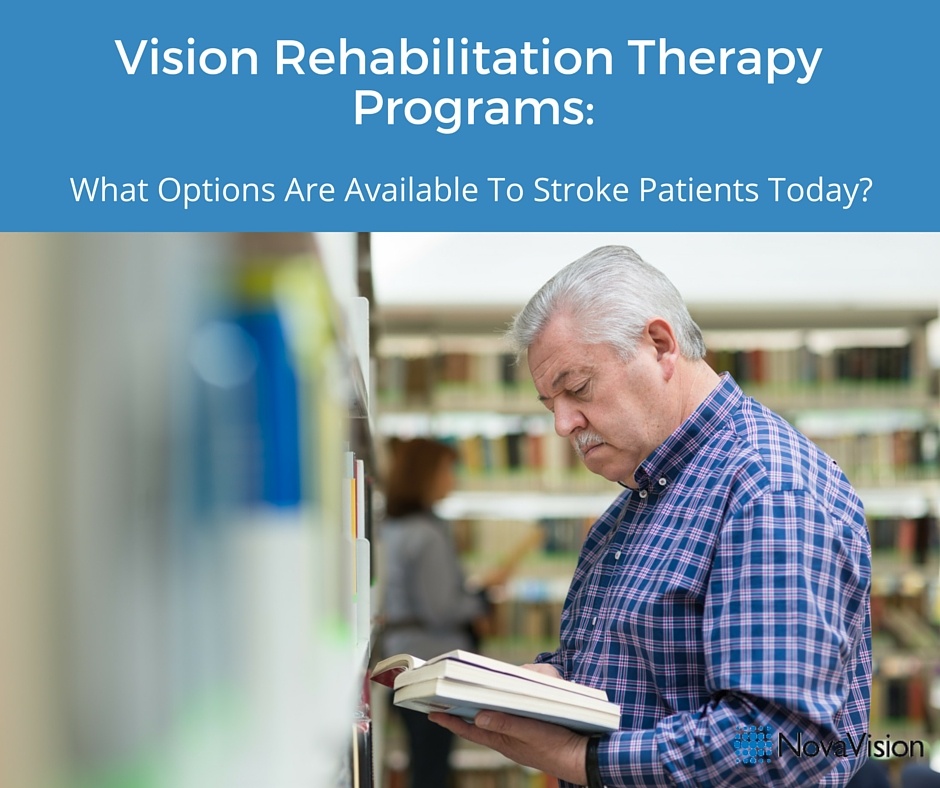
Vision Rehabilitation Programs After Stroke
Vision changes after a stroke affect more than just what you can see. They influence your ability to read, coordinate movements, maintain balance, and navigate daily activities with confidence. Vision disorders commonly appear after a stroke or brain injury, often...