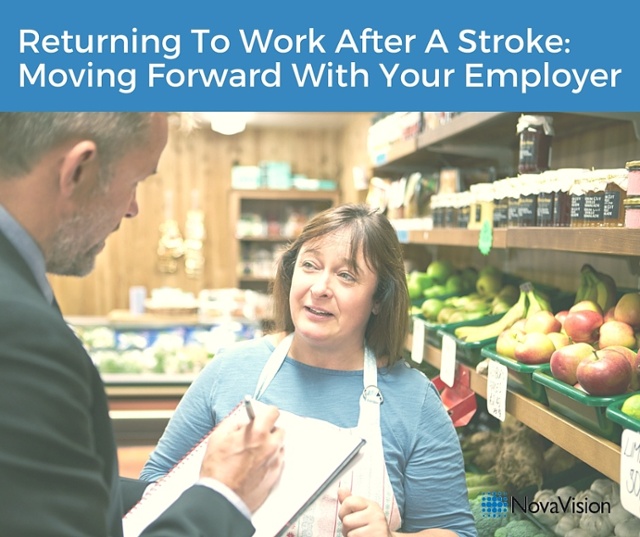
Nearly one-third of stroke survivors are under age 65 and still working when their stroke occurs. For these individuals, returning to the workplace becomes part of their recovery journey, layered on top of the physical and cognitive challenges they already face. Many stroke and traumatic brain injury survivors plan to return to work in some capacity, though the timeline varies widely depending on the severity of the incident and lingering symptoms. Some return within weeks, while others need months of rehabilitation before they feel ready.
Whether you’re working with your current employer to arrange a return or searching for a new position entirely, understanding your options and rights can help you navigate this transition more effectively. The following steps and resources provide a framework for getting back on track while protecting your interests.
Establishing Clear Agreements With Your Employer
Once you and your employer have discussed reasonable accommodations for your return to work, document everything in writing. A formal Reasonable Accommodations Agreement protects both parties and prevents confusion or conflict later. This documentation becomes particularly valuable if you change positions within the company, get a new manager, relocate, or switch employers. Without written agreements, you may find yourself repeatedly renegotiating the same accommodations.
The National Stroke Association recommends keeping this agreement accessible to both you and your supervisor, with regular reviews and updates as your needs change. Think of it as a living document that evolves alongside your recovery. At a minimum, your agreement should address:
- How your condition may affect your work performance and what specific accommodations address those effects
- The particular needs of your employer’s business or organization and how accommodations fit within operational requirements
- Your organization’s attendance policy and formal reasonable accommodation procedures
Warning signs that indicate you may be unwell and need assistance - Emergency contacts and protocols for urgent situations
- Communication procedures for times when you cannot attend work as scheduled
Types of Accommodations to Consider
The Job Accommodation Network provides comprehensive guidance for stroke and traumatic brain injury survivors returning to work, particularly those dealing with motor limitations. Accommodations can address both getting to work and performing job tasks once you arrive. The scope of available modifications has expanded significantly in recent years.
Daily mobility often requires support through canes, crutches, walkers, braces, wheelchairs, or electric scooters. These tools help you navigate not just your workplace but also your commute and daily routines. Grooming aids, adaptive eating utensils, and communication devices, such as speech products or computer-assistive technology, can help you manage personal needs and workplace interactions more independently.
Workplace-Specific Modifications
Once basic mobility and daily support needs are addressed, many workplace accommodations focus on specific job tasks.
For typing tasks, tutorials teach effective one-handed typing methods on standard keyboards, allowing you to maintain productivity without specialized equipment. When additional support helps, one-handed keyboards and speech recognition software offer alternatives. Writing aids help employees with weak grip or unsteady hands maintain legibility for signatures, notes, and situations where digital alternatives aren’t practical.
Standing for extended periods becomes more manageable with lumbar support stands, standing frames, or sit-stand stools. These tools let you adjust your position throughout the day. For seated work, ergonomic office chairs, task stools, and lift-assist seats or cushions provide comfort during long periods at a desk.
Gripping challenges respond well to wrist cuffs, soft-orthotic gripping aids, and specialized gloves that help you hold tools, utensils, and small objects more securely. These modifications often reduce the need for assistance and support greater independence at work. For employees who drive as part of their job or commute, power-assisted steering systems can be retrofitted to existing vehicles. Steering knobs aid in gripping the wheel with reduced hand strength, and personnel lifts can be installed on either the driver or passenger side when transfers present challenges.
Additional Resources and Support
The accommodations listed here represent common solutions, but individual needs vary considerably. What works perfectly for one person may not address another’s specific challenges. The Job Accommodation Network offers detailed information about employee rights and provides guidance for productive conversations with employers. Their resources include legal information and practical advice for implementing workplace modifications effectively.
For those still seeking employment, GettingHired.com connects job seekers with disabilities to employers actively seeking to hire them. The platform is designed to address the specific challenges faced by workers with health conditions and to facilitate matches that work for both parties. Many employers value the determination and perspective that workers bring after overcoming significant health challenges.
Moving Forward
Returning to work after a stroke or brain injury takes planning, patience, and clear communication with your employer. Understanding available accommodations and knowing your rights as an employee gives you a foundation for advocating effectively for what you need.
While the recovery process presents real challenges, many survivors successfully return to meaningful work that fits their capabilities and supports their continued progress.
Take time to research your options thoroughly, document agreements in detail, and connect with resources designed to support workers in your situation. The path back to employment looks different for everyone, but informed preparation makes the journey more manageable and increases your chances of a successful return to work.