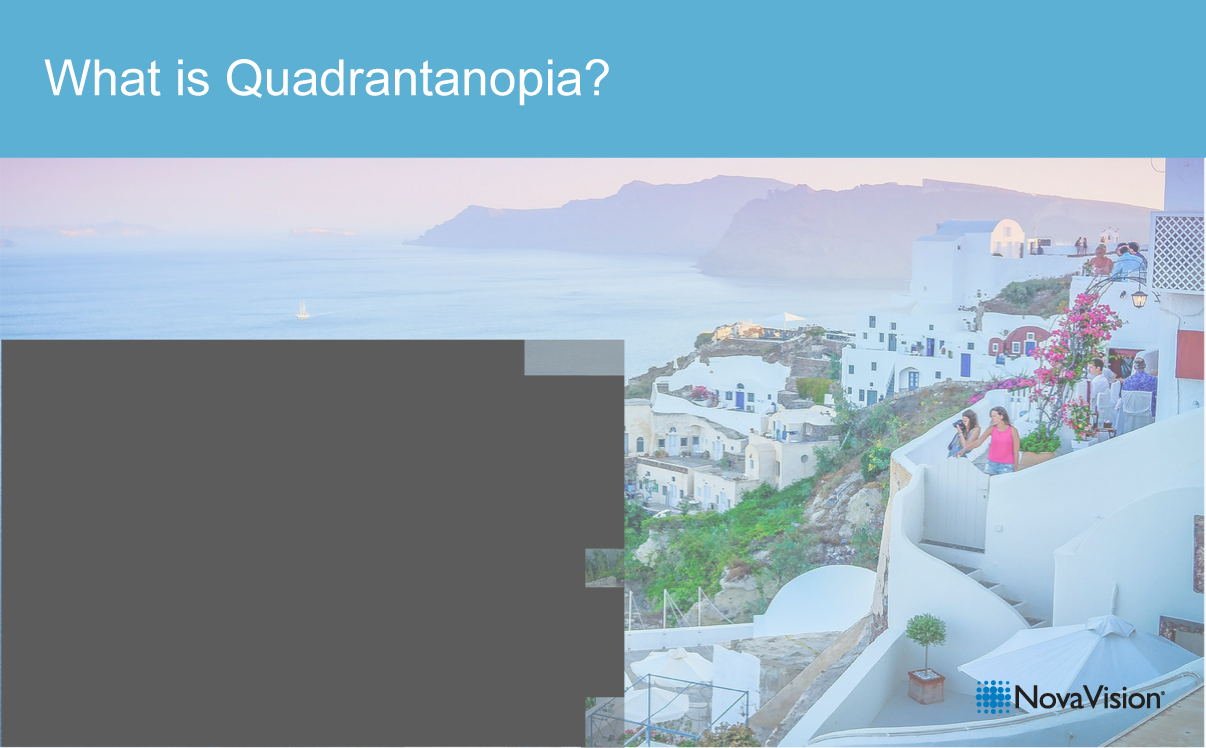
We often hear the term “Hemianopia” following neurological visual field loss due to stroke or traumatic brain injury. Hemianopia is the loss of the right or left half of the visual field in both eyes. However, some patients with neurological visual field loss find the term “Quadrantanopia” in their medical records. If Hemianopia means you cannot see in half of your visual field, does Quadrantanopia mean you cannot see in a quarter of your visual field? Correct. Quadrantanopia refers to the loss of vision in one of the quarters of the visual field.
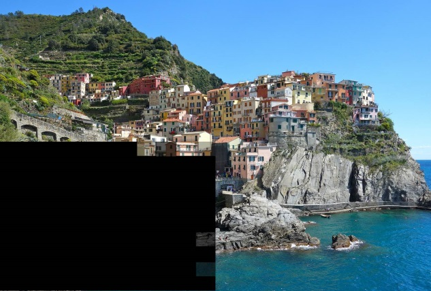
Upper left quadrant
Upper right quadrant
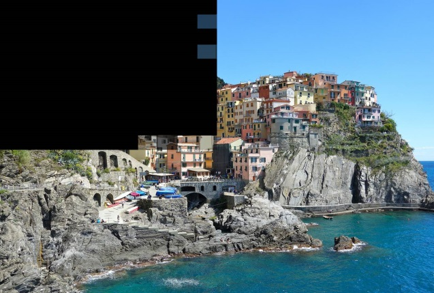
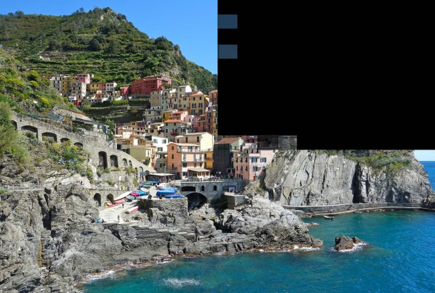
Lower left quadrant
Lower right quadrant

Although less severe than Hemianopia, Quadrantanopia can result in a significant constraint of one’s ability to perform daily life activities, which could include the loss of driving privileges.
These visual impairments can improve naturally during the weeks or months following the neurological incident. Sometimes it completely or partially disappears. Typically, acute brain damage is accompanied by swelling that causes functional impairments. As the swelling dissipates over the following months, the visual loss and the associated functional impairments will also be reduced but typically don’t go away completely. There can still be a lot of potential for further improvement to this residual visual deficit. If there are still some residual visual functions in the area of the visual loss, there is a good chance of improvement with Vision Restoration Therapy VRT. During VRT the remaining functional structures along the border of the visual field loss will be intensely stimulated with light input that needs to be responded to and thereby improve range of function and sensitivity.